How Can I Get Insulation For FREE ?
The Energy company obligation (ECO) is a government-backed scheme where qualifying homeowners and Private Tenants in receipt of one of over 20 benefits could have Loft, cavity wall, underfloor, and room in roof insulation installed completely FREE OF CHARGE!
The good news is, the benefits include Universal Credit, Tax Credits, Pension Credit, and even Child Benefit!
You could save up to £615 per year and enjoy a warmer home by having all the above measures installed by our installers. We use fully accredited ECO2020 installers and have completed over 3000 installations through the Government backed ECO scheme since 2015.
In addition, you may even be entitled to a funded boiler through the ECO scheme, our installers will assess your property and boiler during your no-obligation free survey and advise you if you may qualify.

TRUST
Accredited, Approved ECO Installer

EXPERIENCE
Over 10,000 Eco Scheme Installations

GUARANTEE
CIGA Backed 25-year Guarantee
Even if you are not entitled to a 100% free insulation grant, we can help you by providing a quote to do the work.
Our Process Is So Easy
Cavity Wall Insulation Grants
Cost and Savings
Typical installation costs can be over £700, however as Our installers are approved ECO 2020 installers, you may be eligible for a grant to cover 100% of the cost as well as make significant energy bill savings! All of our installations are covered by an insurance-backed 25-year guarantee.
We will take care of everything and check to see if you are eligible.
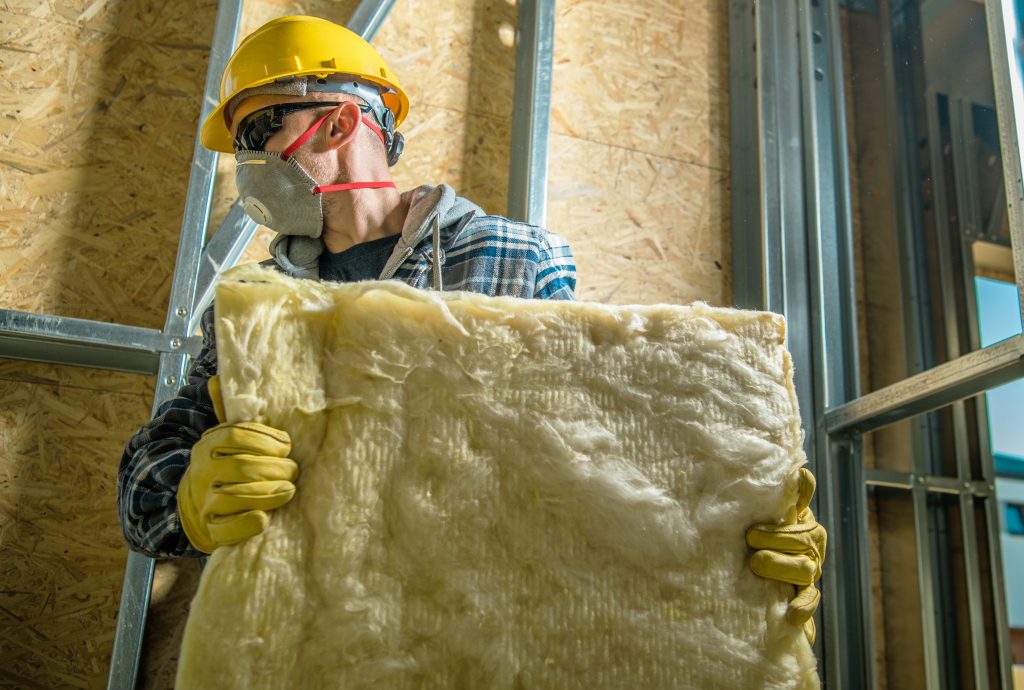
The process for installation is simple, takes less than a day, and is conducted from the external areas of the property. Once complete it is extremely difficult to identify if cavity wall insulation has been completed. Cavity wall insulation grants are available for people who fit specific criteria.
Loft Insulation Grants
Cost and Savings
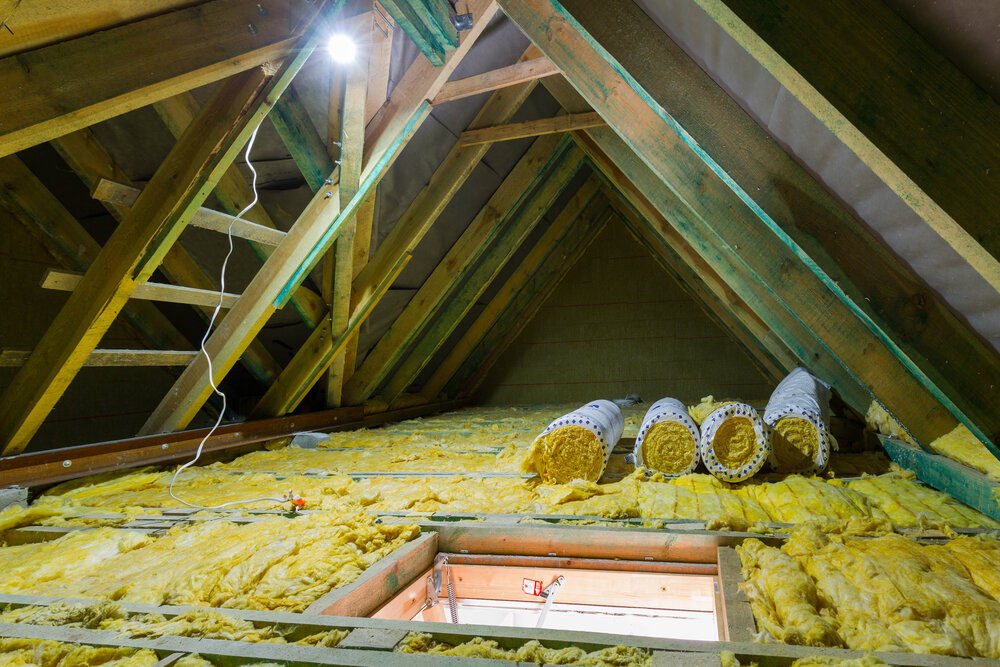
Loft Insulation is one of the easiest and most cost-effective ways of saving energy. A quarter of heat is lost through the roof in an uninsulated home. Insulating your loft, attic, or flat roof is a simple and effective way to reduce heat loss and can reduce your heating bills by over £250 per year!
Typical installation costs can be up to £400, however as we use an approved ECO 2020 installer, you may be eligible for a grant to cover 100% of the cost as well as making significant energy bill savings!
Loft insulation grants are available for people who fit specific criteria.
We will take care of everything and check to see if you are eligible.
Room In Roof Insulation Grants
Cost and Savings
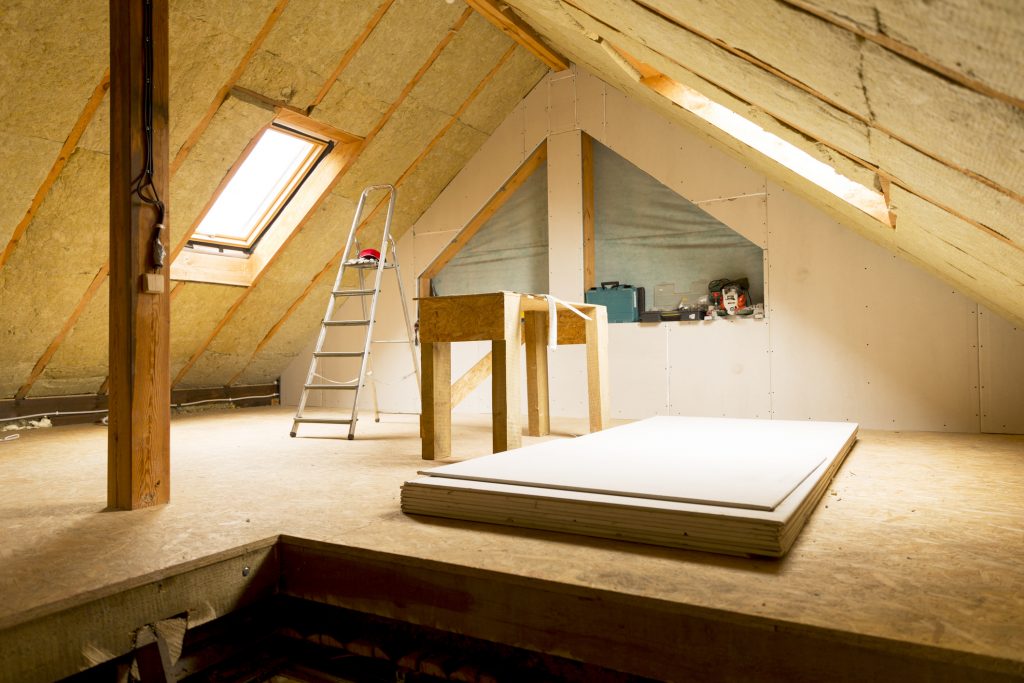
If you want to use your loft as a living space, or it is already being used as a living space, then you need to make sure that all the walls and ceilings between a heated room and an unheated space are insulated. Room in roof can be a fantastic way to improve your home’s energy efficiency, as well as make this area more comfortable to use, this measure can save you up to 30% on your heating bills and can normally be completed in less than a day!
We will take care of everything and check to see if you are eligible.
Internal Wall Insulation Grants
Cost and Savings
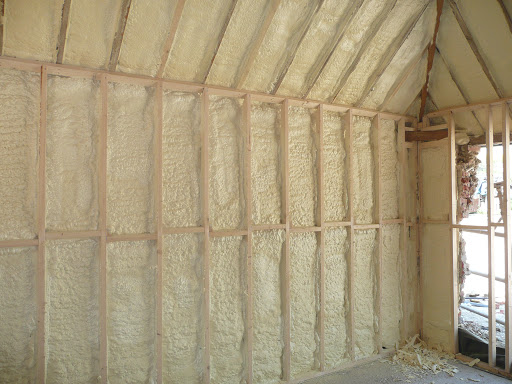
Having Internal Wall Insulation professionally installed can reduce the amount of heat being lost in the property by up to 45%. This could result in energy bill savings of up to £270 according to the Energy Saving Trust. Internal wall insulation is carried out inside your home to reduce the cost of heating it.
This insulation is particularly effective in flats and smaller homes and full funding is usually secured in flats with Electric heating as the main fuel source, provided the individual meets the ECO funding criteria.
Eligible Benefits To Get Free Insulation Grants
Eligible Benefits
There are now several core benefits that you can
use to claim your FREE Insulation:
- State Pension Guaranteed Credit
- Income-related Employment and Support allowance
- Income-based Job Seekers allowance
- Income Support
- Tax Credits (Universal, Child, and Working)
- Disability Living Allowance
- Personal Independence Payment
- Attendance Allowance
- Carers Allowance
- Severe Disablement Allowance
- Industrial Injuries Disablement Benefit
- War Pensioners Mobility Supplement
- Constant Attendance Allowance
- Armed Forces Independence Payment
We will be more than happy to check this for you, the current specification is 270mm, which is made up of 2 layers. It may be that you only need an additional layer to bring your property up to standard and to maximise your energy savings.
Installation
Installing loft insulation is simple and only takes a couple of hours. A mineral fibre material is laid between the joists and then over the joists in your loft or roof. This thick material captures heat normally lost through the roof and stops draughts getting in.
If you already have loft insulation, you could still benefit from a top-up. If your insulation is 100mm or less, you can increase it to the recommended level of 270mm.
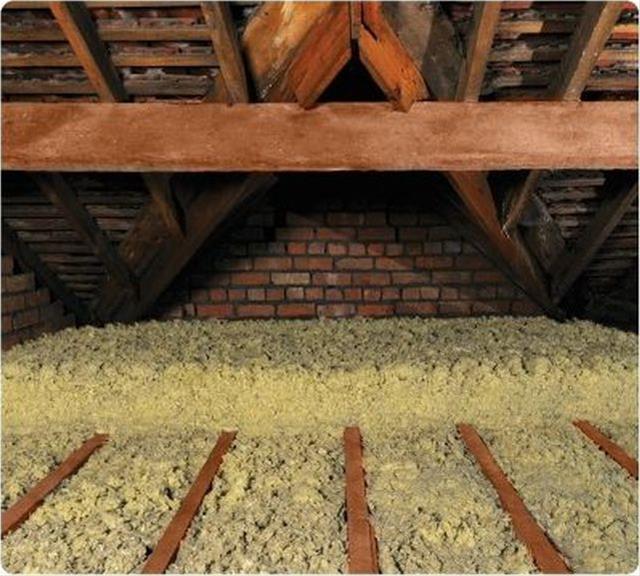
Is your loft insulation 270 millimeters thick?
More than half the heat lost in a typical home escapes through the walls or the roof. Installing loft and cavity wall insulation will reduce the heat escaping. Combined with a degree of draught exclusion, it should also cut your fuel bills every year.
Now is the time to Insulate your house, use the grants that are available, do your bit cutting carbon emissions, and stay warm on those cold winter days and nights.
The HHCRO Scheme
The Affordable Warmth Obligation is also known as the Home Heat Cost Reduction Obligation (HHCRO). As well as helping vulnerable people reduce their fuel consumption, it provides free loft and cavity wall insulation grants to private homeowners and landlords with qualifying tenants in Scotland, England, and Wales.

Energy Company Obligation (ECO)
ECO is the main scheme for supporting energy efficiency improvements including insulation and some heating improvements in low-income and vulnerable households.
Under the ECO scheme, energy companies can help customers to make certain home improvements.
This used to be known as the Affordable Warmth Obligation. But in 2013, it became the Energy Company Obligation (or ECO).
The version of the scheme that was used up to 1st April is called ECO3. It began in December 2018, and will run until the end of March 2022. It’s aimed at helping the most vulnerable customers, and those living in fuel poverty.
Under this latest version of the ECO scheme, energy-efficiency measures will be installed in up to 900,000 eligible homes. These measures (such as insulation, and new boilers) make homes cheaper to heat, as well as being more eco-friendly.
All energy suppliers in the UK with more than 150,000 customers offer ECO funding.
The free home insulation grants are funded by UK energy companies and don’t need to be repaid.
What efficiency measures can be installed under ECO?
The Energy Company Obligation scheme can be used for a few particular types of home improvement.
Loft insulation
Adding some extra padding to your loft is a great way to trap heat inside, keeping your home nice and toasty. By stopping the heat from escaping, you’ll keep your home warmer for longer, while also enjoying lower heating bills.
You might be able to get loft insulation under the ECO scheme if you’re eligible (see above), and:
- Your loft is easily accessible
- There are no pest infestations, and no water damage
- You currently have loft insulation that’s less than (or equal to) 100mm thick
Cavity wall insulation
If you meet the eligibility criteria, you could get cavity wall insulation if:
- Your home was built before 1983
- It has 2 storeys or less
- It doesn’t currently have any cavity wall insulation
Insulation lowers your energy costs and helps reduce harmful emissions being released into the environment.
Fill in the form above and see if you qualify, the process is very easy and it starts with clicking the button below.
